
A Guide to Septic Tank Pump Out & Maintenance in Townsville
For many residents in the outer suburbs of Townsville and the surrounding rural acreage, the septic system is the unsung hero of the household. While town water and sewerage systems are standard in the CBD, properties in areas like Alice River, Jensen, Woodstock, and Black River rely heavily on independent onsite sewerage facilities. However, a septic system is not a set and forget utility. Without regular maintenance, specifically a professional pump out, these systems can fail, leading to costly repairs and environmental hazards.
At Supreme Plumbing and Waste Water, we understand the unique challenges of North Queensland’s environment. From the heavy wet seasons to the shifting soils of the dry months, your septic system undergoes significant stress. This guide provides everything you need to know about septic tank pumping, maintenance, and compliance in the Townsville region.
Understanding the Septic Tank Pump Out Process
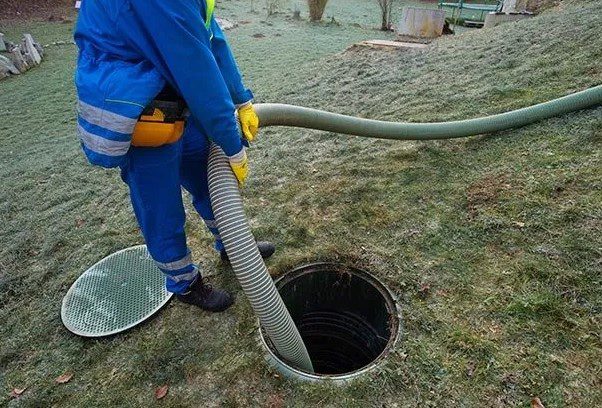
A septic tank pump out is a fundamental part of property maintenance that involves the extraction of gathered sludge, scum, and effluent from your tank using a heavy duty vacuum truck. This service is usually required every 3 to 5 years for standard residential systems, though specialized holding tanks may need attention as often as every few weeks depending on usage.
When you book a professional service, the objective is to clear out the solid waste that sits at the base of the tank (sludge) and the floating layer of fats and oils at the top (scum). If these layers are allowed to build up too close to the inlet or outlet pipes, the system can no longer process waste effectively. This leads to blockages, backups into the home, and the potential for untreated sewage to leach into your garden or local waterways.
Regularly engaging in septic tank pumping does more than just prevent smells; it safeguards the longevity of your entire drainage system. A failed septic system can cost tens of thousands of dollars to replace, whereas a routine pump out is a small investment in the health of your property.
Warning Signs: When Should You Call for a Pump Out?
Most homeowners wait until there is a crisis before calling a plumber, but septic systems are much easier and cheaper to maintain if you catch the early warning signs. In Townsville’s tropical heat, odours can intensify quickly, making it obvious when something is wrong.
Slow Draining and Gurgling Pipes
If your sinks, showers, or toilets are taking longer than usual to clear, or if you hear a distinct gurgling sound coming from the pipes, air is likely trapped in the system due to a high waste level. This is a primary indicator that the tank has reached its capacity.
Unpleasant Odours
A functional septic tank should not emit strong smells near the house. If you notice a persistent “rotten egg” or sewage scent around the tank area or the drain field, the gases are likely escaping because the tank is overfull or the bacterial balance has been disrupted.
Lush Green Patches or Soggy Ground
Ironically, a failing septic system can make your lawn look great in some spots. If you notice a patch of grass over the drain field that is significantly greener or taller than the rest of the yard, even in the middle of a Townsville dry spell, it may be receiving an “unauthorised” dose of nutrient rich wastewater. Similarly, if the ground becomes soggy or water pools in the yard, it indicates that the soil can no longer absorb the effluent being pushed out of the overfilled tank.
The Supreme Plumbing Difference: Our Comprehensive Process
At Supreme Plumbing and Waste Water, we don’t just “suck and run.” We provide a full system audit to ensure your waste management is handled responsibly.
1. Locating and Accessing the Tank Lid
Many older properties in Townsville have septic tanks that have been buried under layers of soil, mulch, or even concrete over the years. Finding the lid is the first challenge. Our team is experienced in locating these access points, and we provide digging services if required to uncover the lid safely. We handle heavy concrete or poly lids with care to ensure no damage occurs to the tank structure during access.
2. Thorough Wall Wash Down
Once the bulk of the liquid and sludge is removed via our vacuum tankers, we don’t stop there. Residue and grease often cling to the internal walls of the tank. We use high pressure water to wash down the internal walls, ensuring that all stubborn buildup is removed. This prevents old waste from immediately “seeding” the new waste with excessive sludge, giving you more time between service intervals.
3. Structural Baffle Inspection
One of the most critical components of a septic tank is the baffle. Baffles are designed to direct the flow of wastewater and prevent solid scum from exiting the tank and clogging your absorption trenches. During every pump out, we check the baffles for structural damage or corrosion. Catching a broken baffle early can prevent the total failure of your drain field, which is a far more expensive repair than a simple tank clean.
4. Bacteria “Seed” Layer Management
While we aim for a clean tank, we also know that a septic system relies on healthy bacteria to break down solids. Our technicians ensure that a small, healthy “seed” layer of bacteria remains (or we advise on additives) so that your system can start working again immediately after we leave.
Compliance and Waste Disposal in Townsville
In Queensland, the management of wastewater is strictly regulated under the Plumbing and Drainage Act 2018. Townsville City Council (TCC) requires that all on-site sewerage facilities are maintained to prevent public health risks.
Transport to Licensed Facilities
As a licensed liquid waste carrier, Supreme Plumbing and Waste Water ensures that every litre of waste we collect is transported to a Department of Environment and Science (DES) licensed facility. We do not dump waste on unauthorised land. By using a professional service, you are guaranteed that your household waste is processed in an environmentally responsible manner.
Council-Compliant Reporting
Documentation is vital for compliance. Following your service, we provide a Council-compliant report that includes waste tracking details. This proves that you have met your obligations as a property owner. If you are ever audited by the Townsville City Council or if you decide to sell your property, this paperwork is essential. You can find more information on local requirements at the Townsville City Council On-Site Sewerage Factsheet.
Factors That Influence Your Pumping Frequency
While the 3 to 5 year rule is a good baseline, several factors can necessitate more frequent septic tank pumping:
- Household Size: A family of five generates significantly more solid waste than a couple. More occupants mean faster sludge accumulation.
- Tank Capacity: Smaller tanks simply fill up faster. If your property has an older, smaller concrete tank, you may need a pump out every 2 years.
- Water Usage: High water consumption (such as long showers or multiple laundry loads daily) doesn’t just fill the tank; it agitates the solids, preventing them from settling correctly and potentially pushing them into the outlet pipes.
- Garbage Disposals: Using a kitchen sink macerator significantly increases the volume of solids in your tank. We generally recommend avoiding these if you are on a septic system.
Key Features of Our Septic Service
- Locally Owned: We understand Townsville’s specific soil conditions and climate.
- Modern Fleet: Our vacuum trucks feature extra long hoses to reach tanks in difficult locations without driving over your lawn.
- Qualified Plumbers: We are licensed plumbers, not just truck drivers. We understand the mechanics of your system.
- Environmental Responsibility: All waste is tracked and disposed of at licensed facilities in accordance with Queensland Government environmental standards.
- Fixed Pricing: We provide transparent quotes so there are no surprises on the day.
Frequently Asked Questions (FAQs)
- Do I need to be home for the septic tank pump out?
Ideally, yes. While we can perform the pump out if we have clear access to the tank, having you onsite allows us to ask you to flush toilets or run taps. This helps us verify that the internal plumbing is flowing freely into the tank once the waste has been cleared. - Can you find my septic tank if I don’t know where the lid is?
Yes. We use various methods to locate buried tanks. If the lid is under a reasonable amount of soil, our team can dig it out for you. We recommend installing a “riser” once we find it, which brings the lid closer to the surface for easier future access. - Will the pump out process smell?
There will be some odour during the actual pumping process as the tank is opened and the waste is agitated. However, our modern equipment is designed to minimize this, and once the lid is resealed and the area is washed down, the smell should dissipate quickly. - What happens if my baffles are broken?
If we identify a broken or corroded baffle, we will notify you immediately. As licensed plumbers, Supreme Plumbing and Waste Water can often perform the repair on the spot or schedule a follow up visit to restore the structural integrity of your tank. - How much water should I use after a pump out?
After a full pump out, your tank is empty. It is actually beneficial to use water normally to help refill the tank to its “operating level.” In some cases, especially in areas with high water tables, we may advise you to fill the tank with a garden hose immediately after pumping to provide “ballast” and prevent the tank from shifting in the ground.
Conclusion
Maintaining your septic system is about protecting your home, your health, and your wallet. In Townsville, where the environment can be unforgiving, regular septic tank pumping is the best way to ensure your property remains a clean and safe place to live.
Don’t wait for the gurgling pipes or the soggy lawn to tell you there’s a problem. Contact Supreme Plumbing and Waste Water to book your professional pump out and inspection. We serve all areas from Charters Towers to the Northern Beaches, ensuring your waste water is handled with the highest level of care and compliance.