
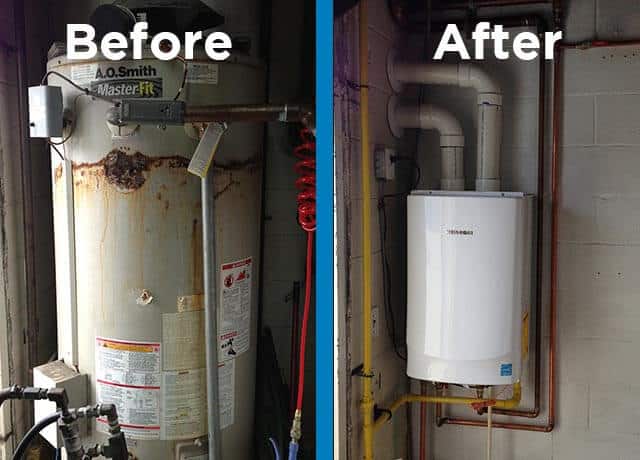
Water heating is an indispensable element of modern living, playing a central role in maintaining comfort, hygiene, and domestic efficiency. In Townsville, Australia, selecting the right utility framework requires a meticulous assessment of long term operating expenses, upfront capital, and household demand. When evaluating the marketplace, the choice fundamentally narrows down to a comparison between gas and electric hot water systems. Making the right decision involves balancing household size, daily habits, energy tariff availability, and the property’s structural capabilities. Selecting an inappropriate model can result in inflated utility statements and inconvenient disruptions to your daily routine.
Maintaining a reliable, energy efficient hot water supply is vital for the smooth running of your residential or commercial property. Whether you require a routine replacement, specialised line installation, or urgent diagnostic support, our expert team is ready to deliver compliant, high quality solutions. Our plumbing technicians possess comprehensive field experience with all types of gas and electric hot water systems, ensuring optimal operational efficiency. Our comprehensive service framework covers all aspects of modern utility management, from precision roof leak repairs in Townsville to complete septic tank replacement.
We apply the same level of diagnostic excellence to your domestic hot water needs as we do when managing complex emergency plumbers commercial plumbing frameworks. For properties utilising complex wastewater systems, we also provide professional septic pump out and cleaning to maintain complete site compliance. Let us help you optimise your home’s energy consumption while securing long term utility savings.
According to official data from the Australian Government, water heating is the second largest segment of household energy use, typically ranging from 15% to 30% of a home’s total utility expenditure. Furthermore, it accounts for up to 25% of the total greenhouse gas emissions generated by an average domestic property, making your selection critical from both a financial and an environmental perspective.
Technical Overview of Gas and Electric Hot Water Systems
To understand the differences, one must look at how gas and electric hot water systems generate and distribute thermal energy. Electric storage models utilise one or two internal immersion elements to heat water within an insulated storage vessel. This water is held at a constant temperature, ready for instantaneous distribution when a fixture is opened.
Conversely, gas infrastructure relies on a burner assembly, typically fuelled by natural gas or liquefied petroleum gas, to apply direct heat. This can take the form of a storage vessel with a continuously burning pilot light, or an instantaneous continuous flow configuration that fires up on demand as water passes through a heat exchanger network. While domestic properties focus heavily on individual utility profiles, the same principles apply within industrial frameworks. For larger enterprises, managing high-volume water heating falls under the scope of commercial plumbing specialists in Townsville who must balance immense daily demands with strict operational budgets.
Pros and Cons of Electric Infrastructure
Electric water heaters remain a highly prevalent choice across North Queensland suburbs due to their uncomplicated installation profile and lower initial purchase price. The primary advantage of choosing an electric model is the minimal upfront capital required, with hardware and standard replacement labor tracking significantly lower than sophisticated alternative options. They are highly versatile, require no external flue venting, and can fit into narrow interior cupboards or external alcoves with ease. When assessing the operating profiles of gas and electric hot water systems, electric options offer an accessible pathway for property investors and residential developments.
However, the disadvantages of relying solely on standard grid electricity are notable. Conventional electric resistance tanks are generally more expensive to run over their operational lifespan unless coupled with a renewable generation source. If configured on a continuous tariff, the elements activate repeatedly throughout the day to combat standby heat losses, creating a continuous draw on grid power. While placing the system on an off-peak tariff can reduce running costs, it limits heating cycles to designated night intervals, requiring a larger tank size to avoid running dry during peak morning periods. Large-scale hospitality venues require heavy-duty setups, which is why commercial plumbing in Townsville experts prioritise durable thermal storage units during standard installations to support continuous high-volume requirements. Managing these limitations requires routine commercial plumbing maintenance services in Townsville to ensure system optimisation.
Pros and Cons of Gas Infrastructure
Gas systems offer a compelling alternative for households looking to lower their long term utility metrics while maintaining access to fast, reliable thermal recovery. One of the principal benefits of gas hot water systems is their rapid recovery rate, allowing storage vessels to reheat much faster than their electric equivalents. Instantaneous gas configurations take this efficiency a step further by eliminating standby thermal losses entirely, heating water only as it transits the heat exchanger network. This provides an endless supply of hot water, making it exceptionally well suited for larger families or multi-bathroom households.
The primary disadvantage is the reliance on a direct gas network or regular LPG cylinder deliveries. If a property lacks an existing mains gas meter, the cost to extend supply lines can be prohibitive. Our specialised commercial plumbers team in Townsville can assess supply lines before configuring high-capacity gas burner arrays. Additionally, gas storage heaters are particularly inefficient in colder zones due to high standby losses occurring through the central flue column where insulation is mechanically impossible. In demanding environments, the complexity of gas lines and industrial burner arrays means that complex installations must be overseen by certified commercial plumbers in Townsville operators who possess the necessary advanced trade endorsements.
Energy Consumption and Split Solar Panel Systems
As energy prices fluctuate, integrating renewable options with gas and electric hot water systems has become a popular pathway toward long term financial sustainability. A highly efficient layout involves combining a standard electric storage tank with a split solar panel system or a dedicated solar photovoltaic array. In an active split solar hot water system, the solar collectors are positioned directly on the roof structure while the main storage cylinder remains grounded in a convenient external location. A low wattage circulation pump moves water between the rooftop collectors and the storage tank based on temperature differentials, using the sun’s abundant energy to heat the water to optimal temperatures. This layout can reduce hot water energy consumption by more than 80% under ideal conditions.
Alternatively, modern homeowners are utilising their existing rooftop solar PV panels alongside standard electric storage water heaters by installing an intelligent solar diverter. This device monitors active export and import metrics at the main switchboard, diverting excess solar energy into the electric heating element instead of sending it back to the grid. This transforms the standard electric tank into a highly economical thermal battery, storing surplus green energy as hot water for later use. Commercial facilities that operate round-the-clock often execute comprehensive commercial plumbing maintenance in Townsville audits to evaluate their solar thermal arrays and backup storage configurations. For properties utilising complex plumbing designs or managing extensive structural elements, integrating solar water systems requires collaborative expertise from professionals who specialise in advanced roof plumbing configurations in Townsville to ensure roof structures remain uncompromised during panel placement.
Popular Hot Water Brands in Australia
The Australian hot water landscape features several prominent manufacturing brands that cater to both residential and commercial sectors. When looking across the marketplace for gas and electric hot water systems, several prominent manufacturing brands stand out for their build quality and performance warranties. Rheem stands as one of the oldest and most trusted names in the country, providing an extensive selection of electric storage cylinders, gas continuous flow units, and premium solar configurations. Rinnai is another market leader, highly renowned for its pioneering work in gas continuous flow technology with its iconic Infinity range, while also offering robust electric storage solutions.
Dux and Aquamax provide heavy-duty, locally engineered storage tanks designed specifically to withstand the harsh mineral content found in many regional water supplies. Vulcan offers a streamlined, budget-friendly line of highly durable electric and gas storage options that are widely favored by property investors and developers for their reliable mechanical longevity. When localised disruptions hit corporate office blocks, getting quick access to emergency commercial plumbing infrastructure prevents prolonged water shut-offs and protects critical commercial equipment. Facilities managers frequently rely on urgent support frameworks like emergency commercial plumbing systems to restore high-capacity hot water units from these major brands swiftly.
Common Maintenance Issues and Vulnerabilities
Every hot water architecture faces specific mechanical risks over its lifespan. The long term reliability of gas and electric hot water systems relies extensively on clean fuel and power inputs. Electric storage units are highly vulnerable to element burnout caused by sediment buildup or hard water scale crystallization around the heating sheath. Thermostat failures can also cause systems to overheat or stop heating entirely. Gas setups frequently suffer from thermocouple degradation, blocked pilot injectors, or electronic ignition failures caused by insect ingress or environmental corrosion. Industrial kitchens experiencing severe blockages or backflow failures along with hot water dropouts often call for specialised commercial plumbing interventions in Townsville.
For both types, the pressure relief and tempering valves require regular auditing to ensure safe operating pressures and temperatures are maintained. Ignoring a minor valve leak can quickly cause extensive damage to surrounding cabinetry or structural flooring. As highlighted in our comprehensive guide to The Emergency Plumbing Golden Hour, identifying a leak early and executing rapid containment steps can save property owners from devastating structural rot and expensive insurance claims.
Average Costs and Timeframes for Repairs or Replacement
Budgeting for hot water management requires a clear view of market realities. The initial investment required for gas and electric hot water systems varies based on mechanical complexity. According to national industry pricing reports, installing a hot water system in Townsville, Australia typically costs between $1,000 and $7,000 in total, depending heavily on the chosen technology, tank capacity, and site accessibility. Standard electric storage replacements represent the lowest initial financial barrier, typically tracking between $1,000 and $4,000 installed. Gas storage or continuous flow installations generally range from $1,500 to $4,000, with costs increasing if new gas lines or ventilation compliance upgrades are required. High efficiency heat pumps and complete split solar setups occupy the premium end of the scale, often requiring an investment between $3,000 and $9,000 before federal small-scale technology certificates or state specific rebates are applied.
*All prices are Estimates Only and Require a Proper Quote form Supreme Plumbing and Wastewater
Minor mechanical repairs, such as replacing a heating element or a faulty valve, are generally completed within one to two hours by a licensed technician. A straightforward like-for-like hot water unit replacement in the same location can usually be finalised within three to six hours, as the core electrical, plumbing, and gas infrastructure is already established. However, complex conversions, such as switching from an internal electric storage tank to an external continuous flow gas system, can take a full day or more due to extensive pipe work modification and electrical re-routing. For complex business properties, managing thermal upgrades falls within standard commercial plumbing maintenance routines in Townsville to prevent surprise operational shut-downs. Ultimately, evaluating the financial metrics of gas and electric hot water systems helps families allocate their budgets effectively. Because individual site configurations can vary significantly, we highly recommend that you contact us directly for an accurate assessment and a tailored fixed quote for your property.
Key Features of Hot Water Infrastructure
-
Electric Energy Redirection: Integrating intelligent solar PV diverters allows a standard electric storage tank to absorb surplus rooftop solar power, operating as an efficient thermal battery to reduce grid dependence.
-
Gas On Demand Efficiency: Continuous flow gas heaters completely eliminate standby energy losses by heating water only when a hot fixture is actively opened, providing a constant stream of hot water.
-
Active Split Solar Capture: Split solar hot water layouts isolate the collection panels on the roof space while storing the water at ground level, optimizing domestic aesthetics while capturing abundant natural energy.
Frequently Asked Questions
1. How do I decide between a gas or electric storage water heater?
The choice depends heavily on your property’s existing utilities and your budget, as electric models offer lower upfront costs while gas units generally deliver lower ongoing running expenses if a mains connection is available.
2. Can a split solar panel system work alongside an electric storage heater?
Yes, an active split solar system uses specialised rooftop panels to preheat water before it enters the storage cylinder, utilizing an electric element booster only during prolonged periods of heavy overcast weather.
3. Can commercial plumbers in Townsville convert electric storage units to commercial gas systems?
Yes, our professional commercial plumbers team in Townsville can execute full conversions seamlessly, modifying gas lines and upgrading structural safety valves to match industrial operational codes.
4. How long do modern gas and electric hot water systems typically last?
Most high quality storage systems deliver an operational lifespan of 10 to 15 years, provided they receive regular valve checks and routine flushing to clear internal sediment accumulation.
5. Why do industrial complexes prioritize emergency commercial plumbing support?
Because a total loss of hot water can violate mandatory trade and safety regulations, forcing immediate operational shutdowns for food preparation and medical manufacturing facilities.
Contact Supreme Plumbing and Waste Water Today
For further technical details regarding minimum energy performance requirements, you can reference the official energy.gov.au platform or consult the national energyrating.gov.au database.
Don’t settle for high power bills or unreliable showers. Contact Supreme Plumbing and Waste Water today on 0478 666 220 to speak with a licensed hot water specialist or request a free quote for your upcoming system upgrade.