
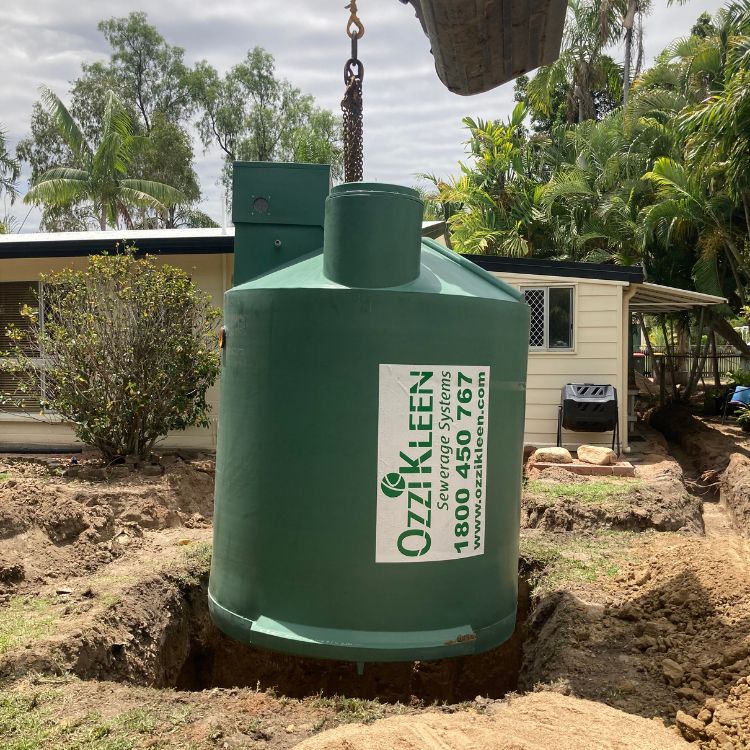
For homeowners residing in regional North Queensland areas such as Alice River or Black River, the management of household waste is a critical infrastructure requirement. Unlike urban centers connected to municipal sewerage, properties in Alligator Creek or Bluewater rely on on-site sewage facilities to safely process blackwater and greywater.
Choosing the right septic tank system is not just about waste disposal; it is about protecting the local environment and ensuring long term property value. Understanding the various types of septic tank systems available in Australia is the first step toward a successful installation or a necessary Septic Tank Replacement.
Modern on-site wastewater management has evolved significantly from the basic concrete tanks of the past. Today, homeowners can choose from passive systems that rely on natural biological processes or advanced mechanical units that treat water to a secondary standard. Each system has specific requirements for soil types, property size, and maintenance schedules that must be strictly followed to remain compliant with local regulations.
Understanding the Various Types of Septic Tank Systems
In Australia, the choice of a wastewater system is often dictated by the land’s capability to absorb effluent. The following systems are the most common configurations found on residential properties.
1. Conventional Septic Systems
The most traditional setup consists of one or two watertight tanks where solids settle to the bottom as sludge while fats and oils rise to the surface as scum. The remaining liquid, or effluent, flows by gravity or pump to absorption trenches. These trenches are usually filled with aggregate and allow the liquid to soak into the soil, where natural bacteria provide further treatment. While reliable, these systems require high quality, free draining soil to function correctly.
2. Aerated Wastewater Treatment Systems (AWTS)
An AWTS is essentially a miniature sewage treatment plant located in your backyard. These units use mechanical aeration to support aerobic bacteria, which break down waste more effectively than anaerobic passive tanks. The water is then often disinfected with chlorine or ultraviolet light, allowing it to be used for surface or subsurface irrigation in designated garden areas. Because they rely on power and mechanical parts, these systems require a higher degree of septic system services to ensure they remain functional.
3. Sand Filter Systems
For sites with poor soil or restricted space, a sand filter system provides an extra layer of treatment. Effluent from a standard tank is passed through a specially designed sand bed, which filters out pathogens and nutrients before the water is discharged to the environment. These are excellent for environmentally sensitive areas near waterways.
4. Alternative Biological Systems
Worm farm systems and reed beds are gaining popularity as sustainable alternatives. Worm farm systems use microorganisms and worms to naturally break down organic waste, producing high quality liquid fertilizer. Reed beds use constructed wetlands to filter effluent through gravel basins planted with specific vegetation, using the root systems to oxygenate the water and remove contaminants.
Considerations for a New Septic Tank Townsville Installation
When planning for a new septic tank Townsville project, several technical factors must be considered to ensure the system is fit for purpose.
- Soil Type and Absorption: The drainage characteristics of your soil are paramount. Heavy clay may require larger absorption areas, while coarse sand might need additional loam to slow the flow and allow for proper filtration.
- Site Topography: Gravity fed systems are only possible on sloped land. Flat sites often require a pump well to move effluent to the disposal area.
- Environmental Clearances: Systems must be located away from boundaries, buildings, and water sources like bores or creeks to prevent contamination.
- Household Size: The number of bedrooms and occupants determines the required tank capacity and the length of the absorption trenches.
What is Required for Installation and Approval?
Installing an on-site sewage facility is a regulated process that integrates into the broader plumbing framework. In Queensland, the Plumbing and Drainage Act 2018 governs these installations. Homeowners cannot simply install a tank; they must first engage a qualified Site and Soil Evaluator to perform a Land Capability Assessment (LCA).
A qualified wastewater designer then uses the LCA report to create a site specific design that is submitted to the local council for a plumbing permit. Once approval is granted, the system must be installed by a licensed professional. Council inspectors will visit the site during construction to ensure everything matches the approved plans before issuing a final permit to use the facility. This rigorous process ensures that every Septic Tank Replacement or new build meets modern safety and environmental standards.
The Health Benefits of Proper Wastewater Management
A well maintained septic system is a silent guardian of public health. Poorly managed wastewater can lead to untreated effluent surfacing in backyards, posing a direct risk to children and pets who may come into contact with pathogens. Furthermore, failing systems can leak into groundwater or nearby streams, polluting local drinking water supplies and causing algal blooms in waterways.
Properly functioning systems effectively separate and treat contaminants before they enter the soil, maintaining a hygienic environment for your family and the wider community. Regular septic tank services prevent the spread of diseases and ensure that your property does not produce nasty odours or become a breeding ground for germs.
Suggested Maintenance and Septic System Services
The longevity of your system depends entirely on consistent care. While a tank is a living biological system, it has a finite capacity to process waste.
Regular Pump Outs
Over time, sludge and scum accumulate to a point where they can be pushed out into the absorption area, causing permanent clogging. To prevent this, a professional septic tank pump out Townsville contractor should desludge the tank every three to five years. If you have a large family or a smaller tank, you may need more frequent septic tank services to manage the volume.
Specialist Servicing
If you utilise an AWTS or a sand filter, ongoing maintenance is a legal requirement. Most councils require these units to be checked every three months by a licensed agent to ensure the mechanical blowers, pumps, and disinfection units are operating correctly. Failing to provide council with these service reports can lead to penalties and enforcement action.
Household Habits
Protecting the beneficial bacteria in your tank is essential. Avoid using harsh chemicals like bleach or disinfectants, and never flush non-biodegradable items such as wet wipes or sanitary products. For properties with high culinary output, ensuring you have a clean grease trap is vital to prevent fats from solidifying in your pipes or trenches.
Average Costs and Time for Installation
A Septic Tank Replacement represents a significant investment in your home infrastructure. While costs vary based on site complexity, the following estimates provide a general guide for budgeting.
- System Design and Permits: Expect to pay between $1,500 and $3,000* for the LCA, engineering reports, and council fees.
- Standard Conventional Systems: A full replacement for a three to four bedroom home typically ranges from $8,000 to $15,000* for the tank and trenches.
- Advanced Treatment Units (AWTS): These systems often exceed $25,000 to $30,000* once excavation and specialised irrigation setups are included.
- Tank Materials: Polyethylene tanks are generally more affordable at $500 to $1,500*, while larger concrete or commercial tanks can range from $3,000 to $10,000* excluding installation.
* All Prices are Estimates and Require a Proper Quote for Exact Charges
The physical installation time for a Septic Tank Replacement usually takes between three and seven days. This includes excavation, tank placement, pipework, and the construction of the land application area. However, the pre-construction phase of soil testing and council approvals can take several weeks, so it is important to plan ahead.
Key Features of Modern Septic Systems
- Advanced Biological Treatment – Modern units utilise aerobic digestion and UV disinfection to treat wastewater to a high standard that allows for recycled garden irrigation.
- Automated Alarm Systems – Mechanical systems are equipped with visual and audible alarms to notify homeowners immediately of any pump or blower failures.
- Durable Tank Construction – High density polyethylene and reinforced concrete tanks are engineered to withstand soil pressure and chemical exposure for several decades.
Frequently Asked Questions
- How long does a typical septic system last?
With proper maintenance, a concrete septic tank can last 25 to 40 years, though mechanical components in advanced systems will require replacement more frequently.
- Can I do my own septic tank repairs?
No, all septic work must be performed by a licensed plumber or technician to ensure compliance with health and environmental regulations.
- What are the signs that I need a Septic Tank Replacement?
Common indicators include persistent foul odours, slow draining toilets, or lush, wet patches of grass appearing over your absorption area.
- Is a grease trap necessary for a septic system?
Yes, a grease trap is critical for preventing fats and oils from entering your trenches, where they can solidify and cause total system failure.
- Why is my septic tank producing bad smells?
Odors often occur due to a pH imbalance or the use of harsh chemicals that kill beneficial bacteria. This can sometimes be rectified by flushing a mixture of lime down the toilet.
Expert Septic and Plumbing Support
Maintaining a safe and functional home in North Queensland requires expert knowledge and reliable service. Whether you are facing a plumbing emergency or planning a major Septic Tank Replacement, our team is here to help. We understand that some issues cannot wait, which is why we apply the same urgency to septic failures as we do to an emergency plumber Townsville call.
From Septic Pump Out and Cleaning to the installation of a brand New Septic Tank Townsville residents can trust, we provide comprehensive solutions for every property. Our expertise extends beyond waste management to include Hot Water Systems, Gas Fitting, and Backflow Testing to keep your entire facility running smoothly.
For more information on the Various Types Septic Tank Systems available for your land, or to book a maintenance check, contact our friendly team today. We also offer Roof Plumbing Townsville and Roof Leak Repairs Townsville to protect your home from the tropical elements.
Protect your property and your family’s health with professional wastewater management. Contact Supreme Plumbing and Waste Water today for all your septic system services. Call us on 0478 666 220 to speak with a specialist or book your free quote online.